By Rahim Marsuki
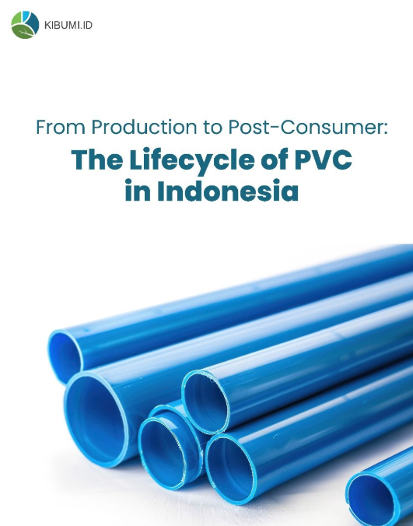
In Indonesia, PVC plays a crucial role in sectors such as construction, healthcare, and consumer goods. The production of PVC process is usually divided into two processes, namely the production of PVC resin and the manufacturing of PVC products.
The first process in the production of PVC resin is Ethylene (C2H4) and chlorine gas production. Ethylene is produced from the process of decomposing molecules through what is known as cracking. The resultant PVC resin serves as a raw material for the subsequent production of PVC products.
Subsequently, PVC resin will be transformed into diverse product applications by PVC manufacturers or converters. A compound is processed by the appropriate method to make a PVC product (e.g., sheet, film, pipe, etc). Some of the products are fabricated into secondary products by further processing (e.g., moldings thermoformed from sheets and wall coverings made by laminating calendared films).
The PVC industry in Indonesia encompasses both import and export activities. The total quantity of PVC resin exported by Indonesia from 2014 to 2022 amounts to 1,943 Kilo Tons of PVC resin. Conversely, in terms of imports, the primary partner countries for PVC resin imports are Thailand, China, Japan, Taiwan, and Malaysia, with the aggregate import volume between 2014 and 2022 reaching 580 Kilo Tons of PVC.
The quantity of imported PVC products surpasses the quantity of exported PVC products annually. According to data from the Indonesian Statistics Agency, the amount of PVC products imported in 2022 reached 222 kilo tons, while the volume of exported PVC products amounted to only 5 kilo tons.
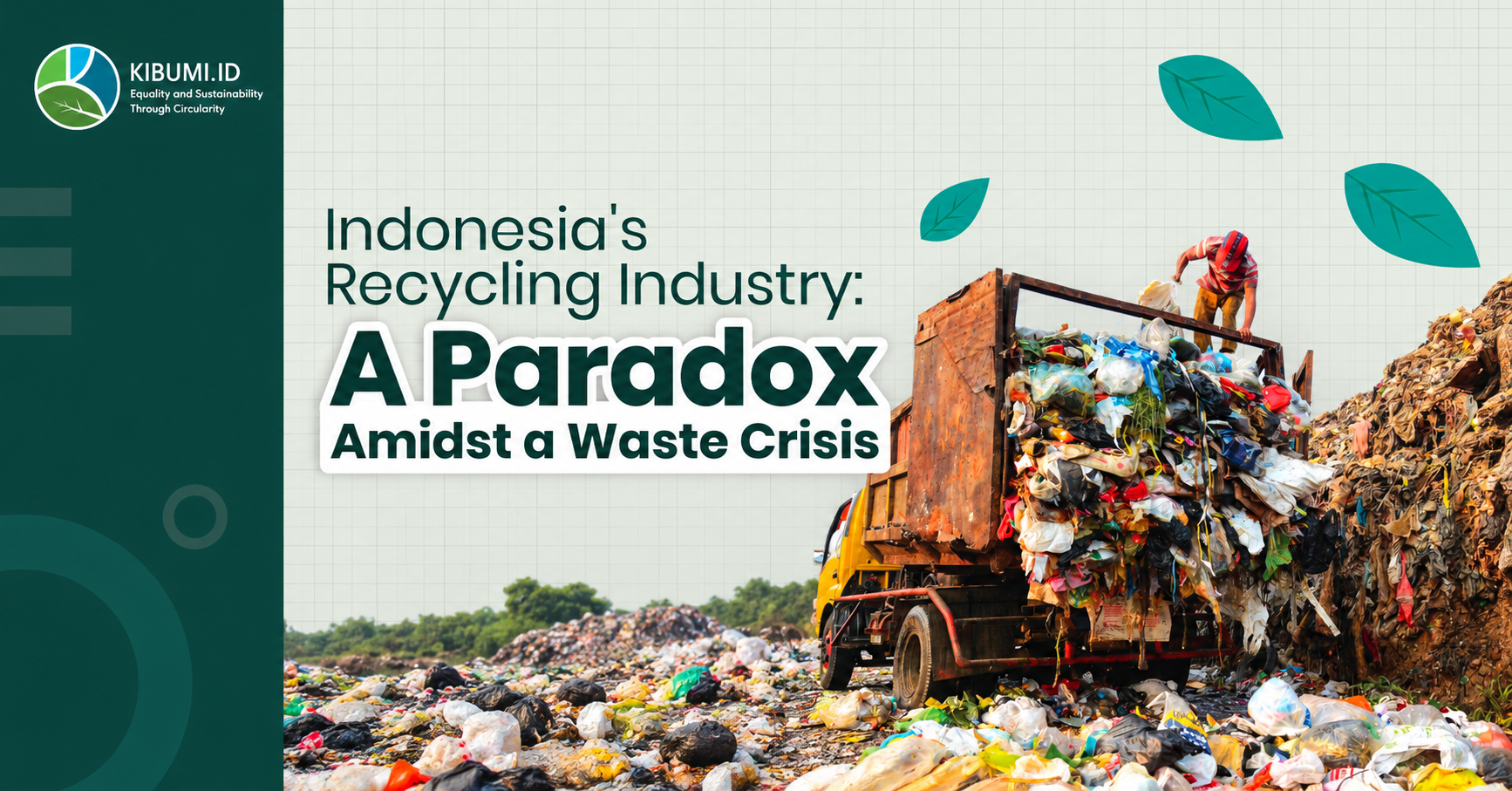
Post-consumer PVC waste management in Indonesia involves several methods. Mechanical recycliing emerges as the most endorsed approach for handling PVC post-consumer waste. Mechanical recycling allows PVC to be reused without altering its chemical composition, turning it into new products like pipes and containers. However, landfilling, particularly in Indonesia’s TPAs, remains a less sustainable option, as these facilities often use open dumping techniques. Second, healthcare-related PVC product wastes are incinerated with high-standard pollution control technology. This is to ensure the destruction of pathogens to minimize harmful emissions PVC wastes from medical sector. Additionally, some PVC products, such as pipes and cables used in construction, remain uncollectible as they are often buried underground or embedded in buildings. Meanwhile, "not collected" PVC waste, such as packaging and bottles, is often left unmanaged.
In conclusion, a comprehensive approach involving improvement of recycling technologies, sustainable disposal methods, and stronger waste management policies is necessary to address these challenges and reduce the environmental impact of PVC, promoting a more circular economy.