By Indri Mariska
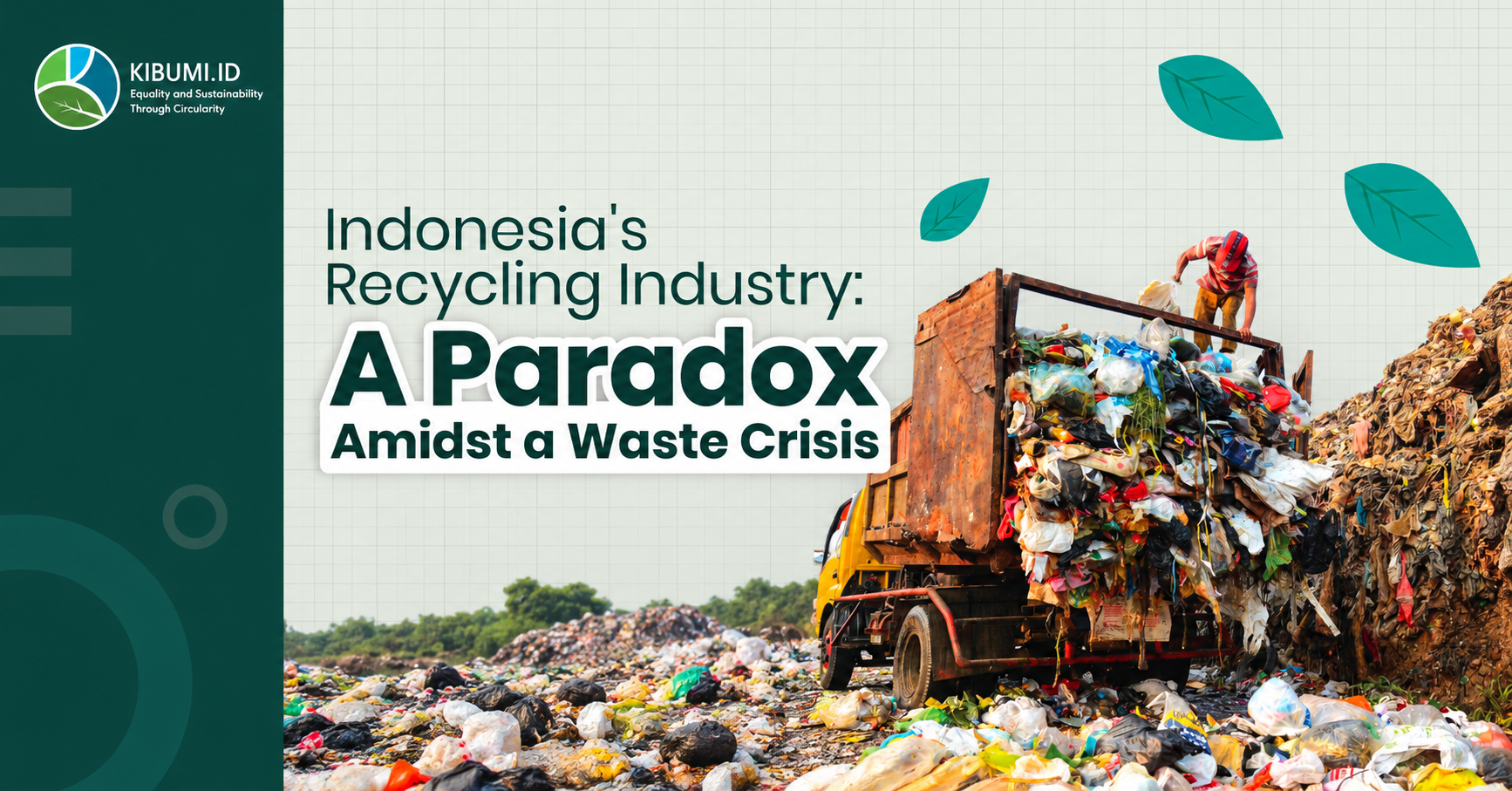
In Indonesia, the post-consumer Polyvinyl Chloride (PVC) recycling flow is unique as it involves participation from both formal and informal sectors. This distinctive process begins at the grassroots level where informal waste pickers and formal waste management authorities collect discarded PVC materials from various sources. Informal waste pickers and formal waste management authorities play crucial roles in the initial stages of the recycling chain by diverting PVC from waste disposal sites such as TPS/TPS3R/TPST to recycling streams. Materials gathered from diverse sources are then sorted and sold to small scrap shops by informal waste pickers or transported to formal recycling facilities for more systematic processing. This process demonstrates how collaboration between formal and informal sectors can contribute to more effective waste management, albeit facing logistical challenges and the need for continuous improvement in processing efficiency.
In Indonesia, the post-consumer Polyvinyl Chloride (PVC) recycling flow is unique as it involves participation from both formal and informal sectors. This distinctive process begins at the grassroots level where informal waste pickers and formal waste management authorities collect discarded PVC materials from various sources. Informal waste pickers and formal waste management authorities play crucial roles in the initial stages of the recycling chain by diverting PVC from waste disposal sites such as TPS/TPS3R/TPST to recycling streams. Materials gathered from diverse sources are then sorted and sold to small scrap shops by informal waste pickers or transported to formal recycling facilities for more systematic processing. This process demonstrates how collaboration between formal and informal sectors can contribute to more effective waste management, albeit facing logistical challenges and the need for continuous improvement in processing efficiency.
The integration of formal and informal sector roles in the PVC recycling chain in Indonesia ultimately benefits the recycling industry and other companies involved in this PVC recycling value chain. Informal waste collectors in Indonesia benefit from the increasing demand for recycled materials and the enhancement of long-term agreements for plastic purchases by wholesale buyers of plastic raw materials and waste collection institutions. In this regard, providers of consumer goods and other private sector entities involved in the value chain also benefit from the availability of fully traceable recycled plastic raw materials, thereby ensuring the availability of ethically responsible raw material sources.